


Taxidermy - Factual Friday by Charlie Elphinstone
Factual Friday
By Charlie Elphinstone.
This week I got a chance to visit the Aberdeen Zoology Museum which was absolutely incredible and I cannot recommend it enough.
While I was there I thought about the history of taxidermy and how the art has evolved over the years.
Taxidermy, an art that has existed for centuries but in more recent times has been under scrutiny.
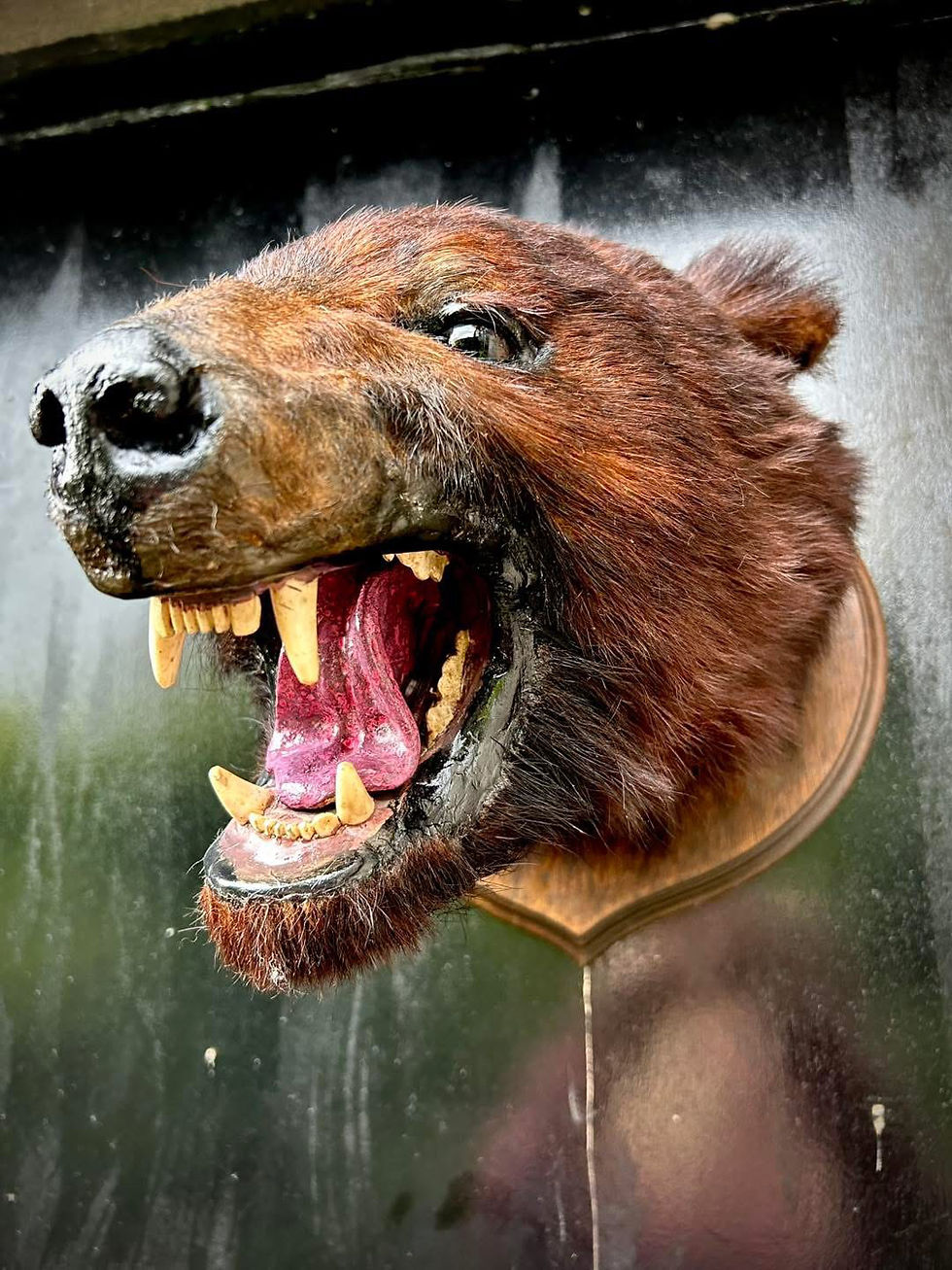
Taxidermy involves the preservation of an animal or part of an animal usually for display purposes.
It originally came from ancient Egypt dating back as early as 2200 B.C as a means of preserving a beloved pet or human through the means of mummification.
The process involved using spices, oils, injections and special tools.
However the art was lost for centuries and it was during the 19th century that taxidermy would reach its’ peak.
Mounted animals became a popular part of interior design and decor.
English ornithologist John Hancock is considered to be the father of modern taxidermy.
There is another purpose for taxidermy other than interior design, this being for educational purposes.
For many years it was extremely impractical to travel the world to study an animal and it still is to this day to a degree.
With a taxidermy (done well) anyone can view it and study it in person instead of having to rely on other people’s descriptions.
The oldest known taxidermy piece to still exist is a crocodile which is located in Ponte Nossa Italy, a document from 1534 references the piece.
Interestingly King Louis XV of France was gifted a Rhinoceros in 1769 and it was later taxidermied in 1793 after it was unfortunately stabbed to death by a revolutionist.


Comments